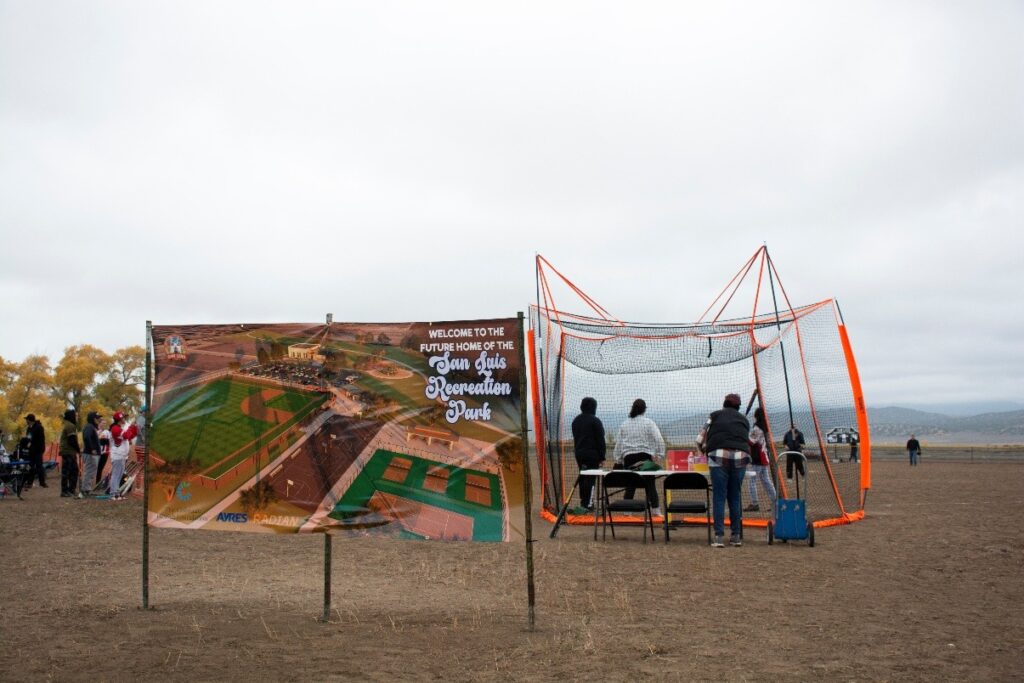

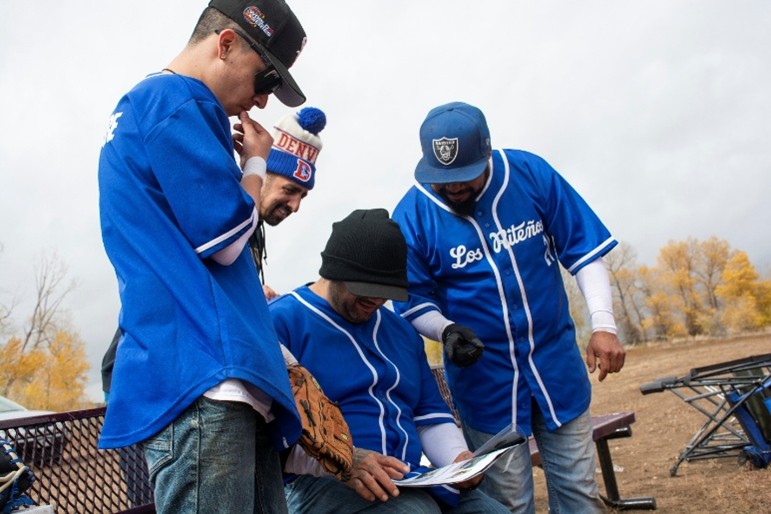
Most people don’t like going to city planning meetings. But what if the planning could happen on a softball field?
Photos by Teddy Leinbach
In the small town of San Luis, the oldest municipality in Colorado, and its surrounding Culebra Villages – San Pablo, San Pedro, El Rito, Los Fuertes, Chama, Chama Cañon, San Acacio, Garcia, Jaroso, Mesita – the meaning of recreation is different from Colorado’s typical ski, hike, run, climb version of recreation.
The town of San Luis, with a population of 582, has one of the largest percentages of Hispanic or Latino individuals (87%) in the San Luis Valley, as well as the largest percentage of Spanish speakers (59%). 33% of the population is disabled, 31% live below the poverty line, and the median household income is $30,381 compared to $92,470 throughout the state. Steeped in a deep tradition around rural life, the people of San Luis engage foraging, hunting, and traditional agricultural practices that date back to the early Spanish settlers of the 1850s. Today, the town faces numerous challenges providing recreational activities, but also the larger sense of health and well-being that come with them. This starts with a lack of space and programs, especially for youth. But health is about more than just a space to play sports. In this community, it includes a lack of access to healthy and affordable food, availability of quality employment, transportation, rising rates of mental health issues and substance abuse, and a shortage of space and opportunities for physical and cultural activities.
However, this small community refuses to be pulled into a deficit mindset. Through several stages of community engagement and listening, led by a coalition of leaders and organizations, the town of San Luis and its surrounding villages developed their own priorities to create the future they want to see for their town.
When Teddy Leinbach landed in San Luis, he was working on a film. But he ended up staying…and becoming the assistant Town Manager. His creative skillset continued to come in handy in capturing the unique community engagement process that they used to hear from residents: holding a softball tournament. Through these community events, including the annual Santa Ana Festival, in a town of about 600 people, the planners engaged 150 people.
The Town has memories of many of the spaces that were once the center of public gathering. “The Old Gym” held dances, weddings, roller skating, boxing matches, and holiday celebrations, but was torn down in 2017. Music and dance played a big part in the lives of the ancestors in San Luis, and they hope to create more spaces that are suitable for live music and large gatherings.
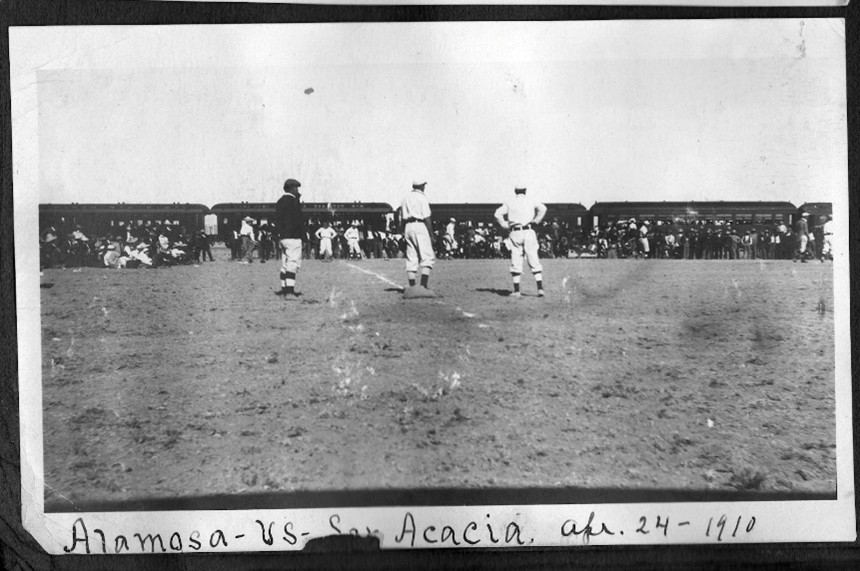
The old baseball field on the east side of San Luis brought people together from across the different villages and even further parts of the San Luis Valley for friendly (yet still fiercely competitive) baseball games. The town once had a swimming pool, but after years of problems with flooding due to its location on marshy land, it was finally closed. For most of the living memory of San Luis’ history, sports have played an important role in getting communities together, engaging in physical activity, and creating connections between towns.
After hearing from community members at events, festivals, and through surveys, the town worked with Ayres Associates and Radian to develop a concept design. Through a planning grant with the Colorado Health Foundation, the town began convening a Recreation Committee made up of 12 community members, most of whom were born and raised in San Luis. This group continues to guide the work forward while remaining responsive to feedback from the community.
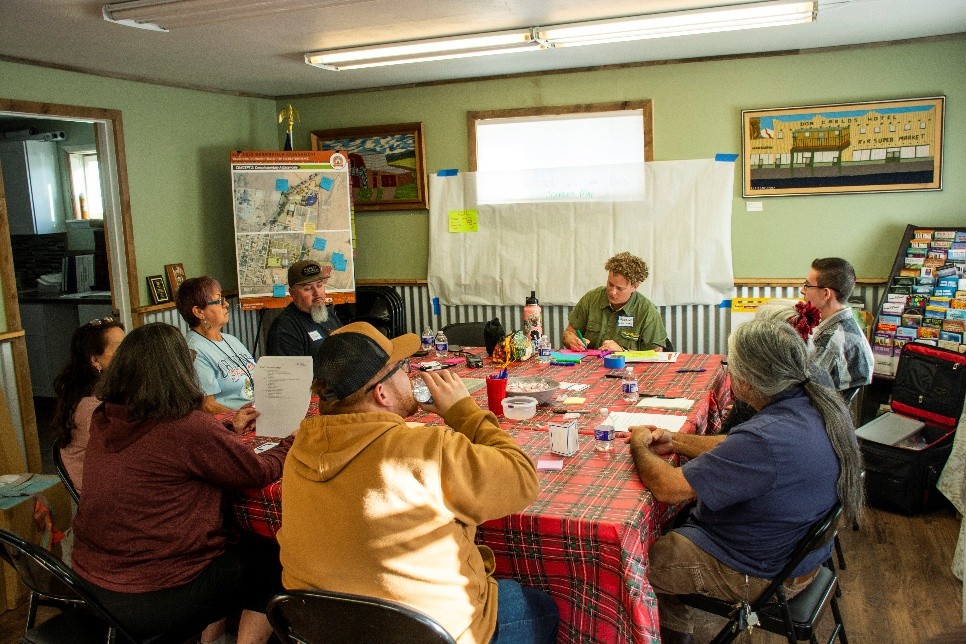
The Civic Canopy worked closely with the town to develop a culture of collaboration around the Recreation Plan. Through facilitating Recreation Committee meetings, 1:1 interviews with school leaders, youth organizations, and Costilla County staff, the Civic Canopy ensured that these partners’ feedback was incorporated into the final Recreation Plan.
Partner organizations will be essential to the successful implementation and building of public support for these new facilities. They will activate these new spaces with the kinds of programs that the community identified.
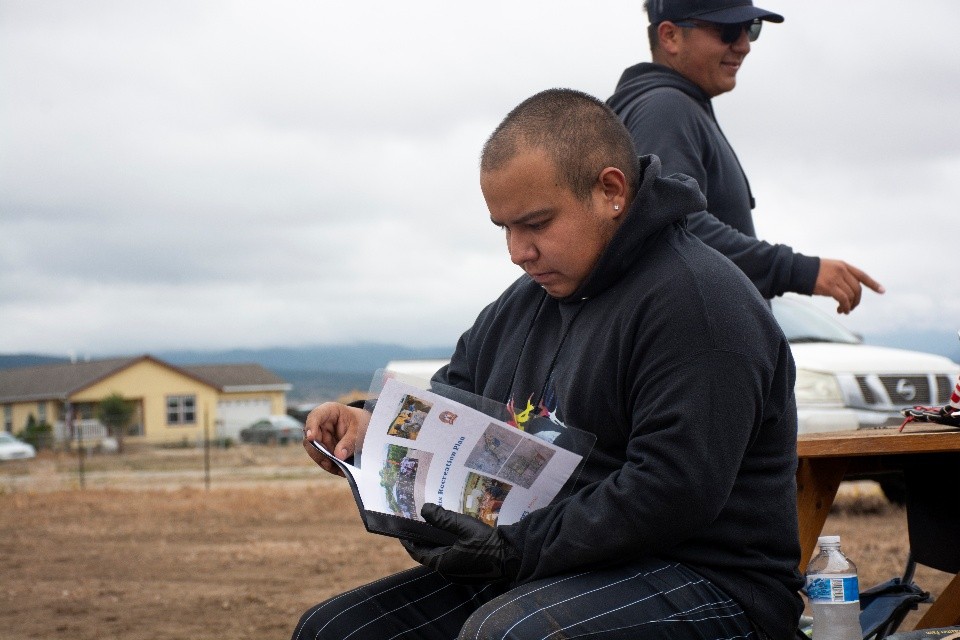
All of this culminated in a Recreation Plan that can be used to create alignment between community partners and to fundraise to bring the plans to fruition. Since the plan was completed in the fall of 2024, the town was invited to apply for $700,000 in implementation funding from the Colorado Health Foundation and has met with several other funders to get started on phase 1: a brand new softball field.